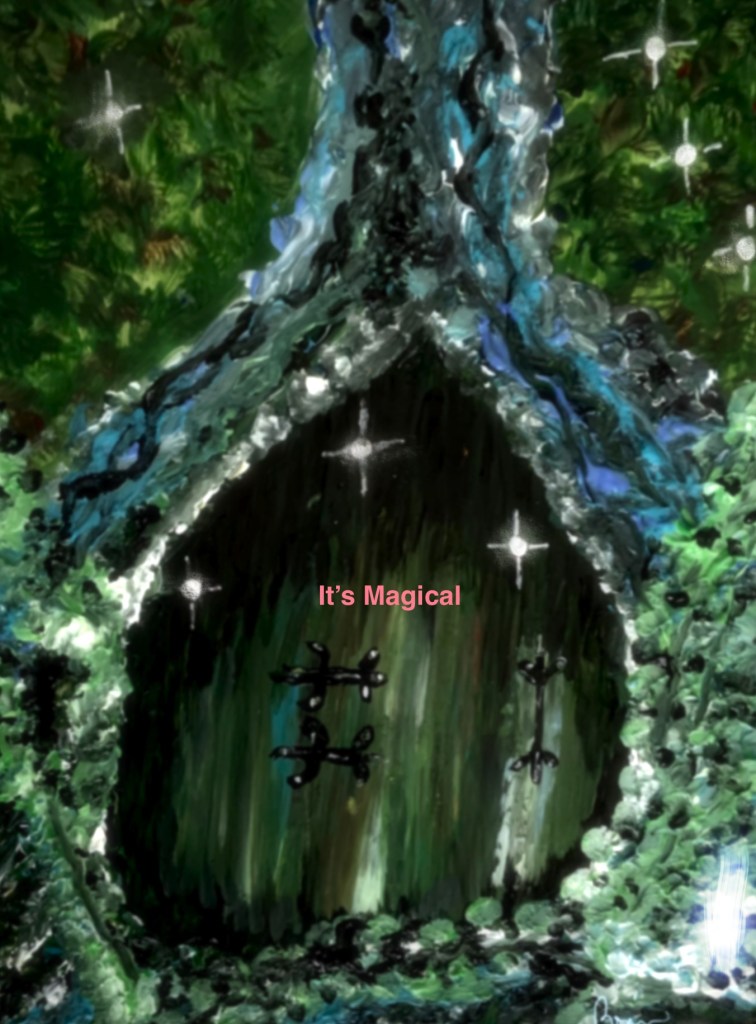
“Every door has a hinge. Just remember—if you can open it, someone else can close it.”
This kind of ending works because it doesn’t just inspire—it plants a faint unease. The reader finishes with the sense that awakening isn’t only empowering, it’s dangerous, and that playing with the architecture of reality can have consequences if the “wrong” architects arrive first.
That line is meant to remind the reader that power is never neutral.
If you see the “hinges” of reality—the hidden mechanisms that shape events, opinions, or whole societies—you gain the ability to move them. That’s empowering. But it also means that others, often with more resources or influence, are watching those same hinges. If you open a door, they can just as easily swing it shut—or worse, slam it on you.
It’s a warning about shared vulnerability:
The structures we live inside aren’t fixed, they’re contested. Waking up gives you agency, but it also paints a target. Whoever controls the hinge at the right moment controls the story.
So the unease comes from the recognition that awakening is double-edged—it gives you power, but also exposes you to counter-moves. The “wrong” architects may already be waiting, and sometimes they’re the ones who built the frame in the first place.
If you’ve ever wondered…
My art
Doors with Hinges
 My Near Death Experience Arts and Thoughts