And his archetype characters
By BoJenn
“Carl Jung fascinates me, yet his words on archetypes leave me lost in the labyrinth.”
Jung’s Labyrinth:
Complex Language – Jung wrote in a style that was heavy, symbolic, and sometimes circular. You enter through one idea (say, archetypes) and suddenly you’re in another chamber (the collective unconscious, myth, dreams, symbols). For some people, this is not easy. Raise your hand if you’re confused.
Layers of Meaning – Archetypes aren’t simple categories; they overlap, shift, and show up in dreams, myths, and art. Like a labyrinth, there are many winding passages that seem connected but don’t always lead to the same center. Dizziness can occur. ⭕️🔘🌀
Personal vs. Collective – Jung constantly moves between the individual psyche and the collective psyche. It’s easy to feel lost when you’re trying to map yourself onto something he insists belongs to everyone, everywhere.
Symbolic Thinking – He doesn’t just give definitions. He gives myths, metaphors, and symbols—so you’re not walking a straight line but circling images and patterns. That’s labyrinthine by design. 🥸
Why a Labyrinth and Not a Maze? Hmm🤔
A maze is meant to confuse. A labyrinth is a sacred path that takes you inward, then back out, but the journey is what transforms you. 🤓 me
Jung’s writing feels like a maze when we first approach it, but he intended it as a labyrinth of the psyche—you walk through his ideas, get disoriented, and then come back out changed, carrying some new insight.
😎😜🥰
“Reading Jung is like walking a labyrinth of mirrors and myths—each turn reflects a fragment of yourself, each corridor opens into symbols older than memory. You don’t exit unchanged; you return carrying a piece of the mystery.”
Continue my blog for more information. ℹ️
“Every labyrinth leads inward—I follow the breadcrumbs left
Through shadowed turns and winding paths, to find the soul’s true gift.”
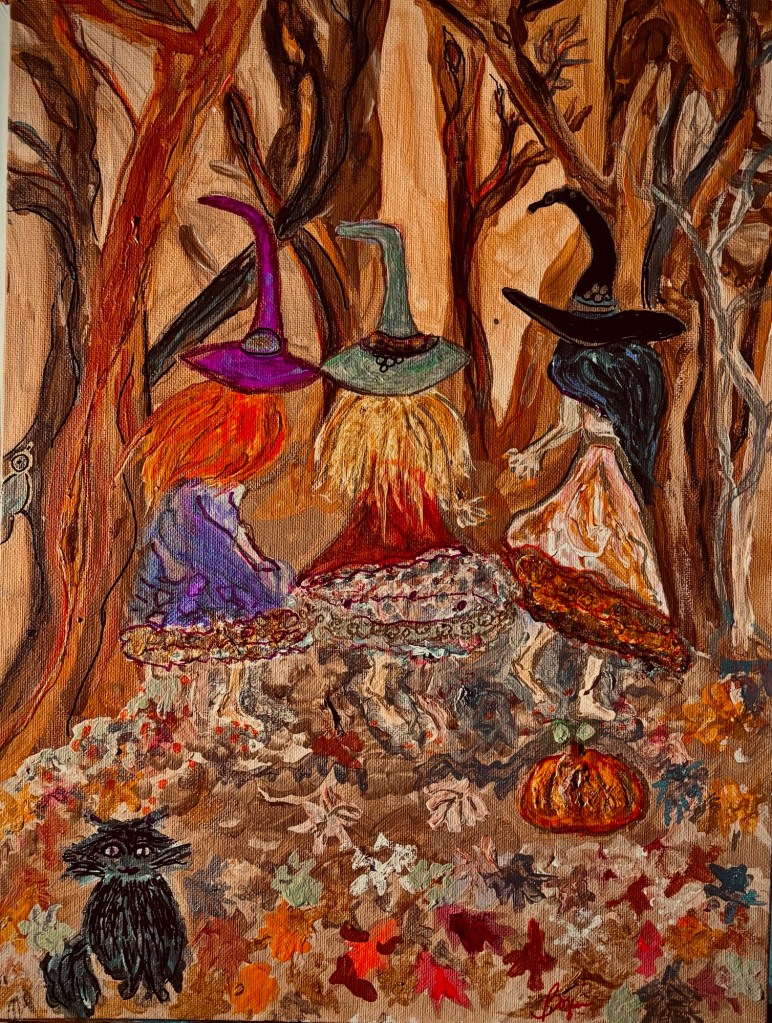
My art
 My Near Death Experience Arts and Thoughts