Behavioral Traits of angry DEFENSive Cult Members
Lets review these traits shall we
🔥 Behavioral Traits When Angry in Defense of a Cult Leader
- Blind Loyalty (Authoritarian Defense)
• They may speak in absolutes:
“He’s the only one who tells the truth!”
“Everyone else lies or is deceived.”
• They refuse to allow any critique of the leader. Even gentle questioning may be met with hostility.
• They often parrot phrases or doctrine without critical thought. - Projection and Accusation
• They might attack the questioner, accusing them of being:
• Evil, spiritually blind, jealous, or “working for the enemy”
• Part of the system, Satan, deep state, etc.
• They project their own fears outward:
“You’re trying to destroy the truth!” - Gaslighting
• Denying clear facts or rewriting events to protect the leader’s image.
• If the leader has committed harm, the follower may say:
“That never happened” or “He did it for a higher purpose.” - Spiritual Condemnation
• They might issue threats of divine punishment:
“God will judge you!”
“You’re cursed for speaking against him!”
• This is common in cults with apocalyptic or religious overtones. - Mimicking the Leader’s Speech and Attitude
• Many followers take on the tone, gestures, or arrogance of their leader.
• When angry, this can come across as sneering superiority or righteous indignation. - Emotional Meltdowns or Rage
• Explosive outbursts: yelling, weeping, threats
• Sometimes a dramatic switch from calm devotion to fury—especially when they feel the leader is being “blasphemed” - Groupthink and Mob Defense
• If they’re not alone, they may close ranks instantly.
• Group chanting, shouting, or synchronized defenses can occur.
• Public shunning or targeting of the critic is possible. - Paranoia
• They may accuse you of being part of a conspiracy:
“You’ve been sent to infiltrate us.”
“You’re part of the system they warned us about!” - Dehumanization
• They may refer to critics as “non-believers,” “outsiders,” “sheep,” “infidels,” or “bots”
• Dehumanization allows them to feel justified in mistreating or ignoring others
My art
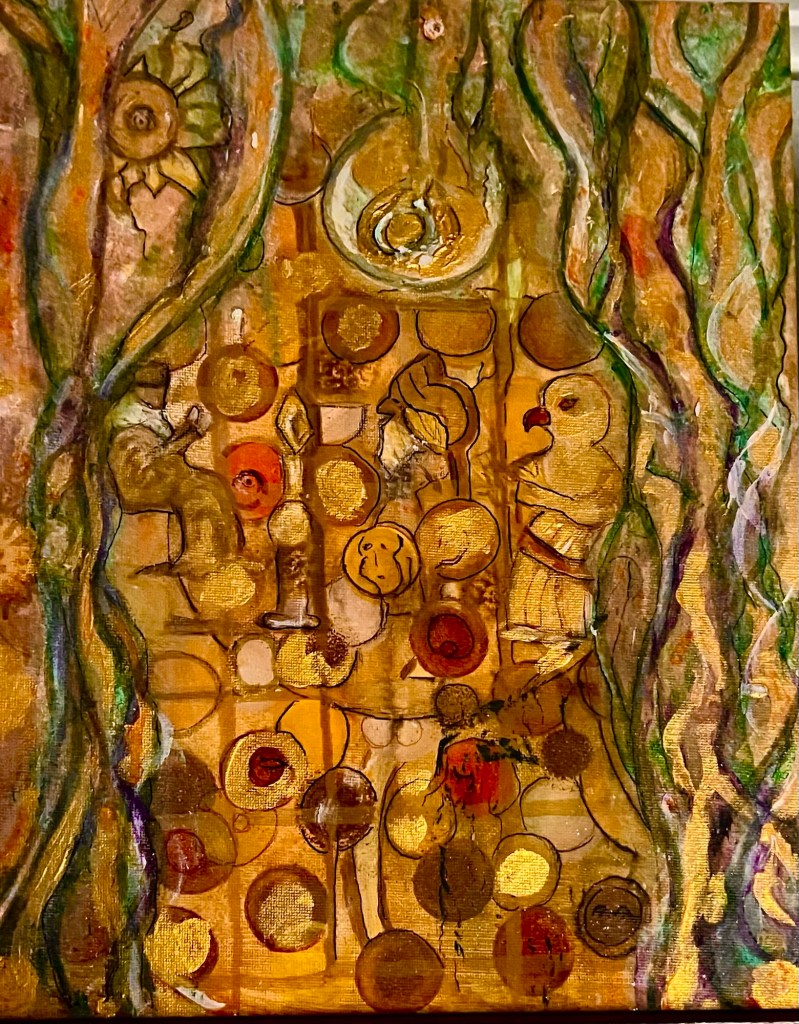
 My Near Death Experience Arts and Thoughts